
8 October 2026
8th TTHER Mini-Workshop Showcases Research Progress in AI, Robotics, and Digital Healthcare at Edinburgh Napier University
8 October 2026 | Edinburgh Napier University
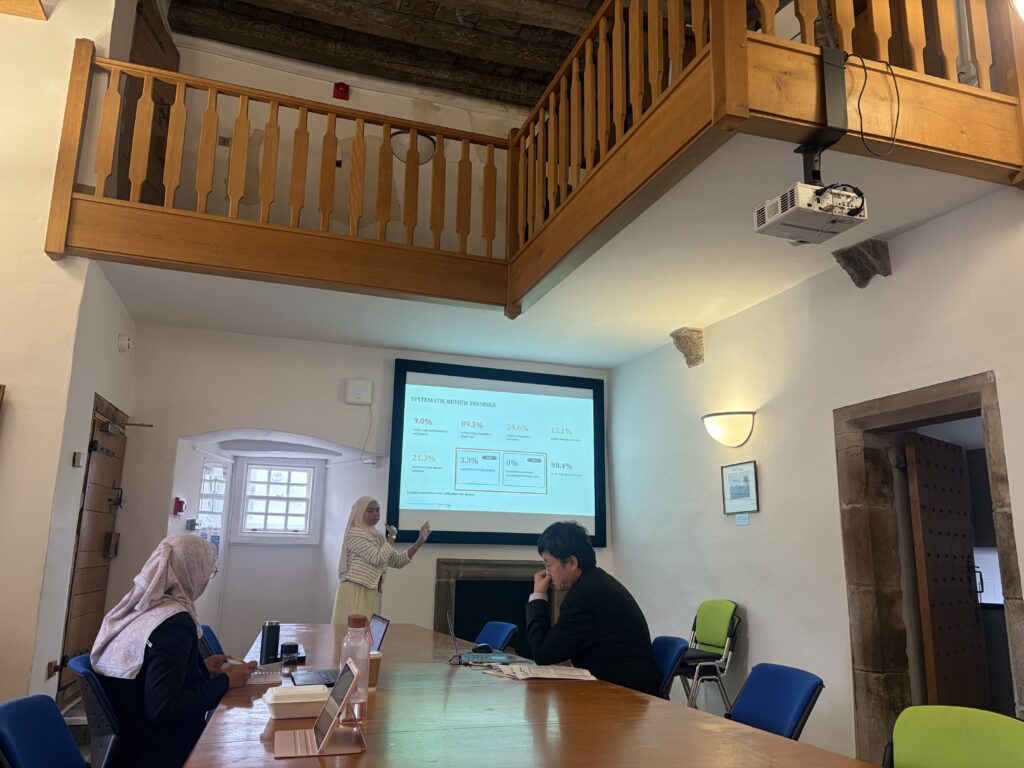
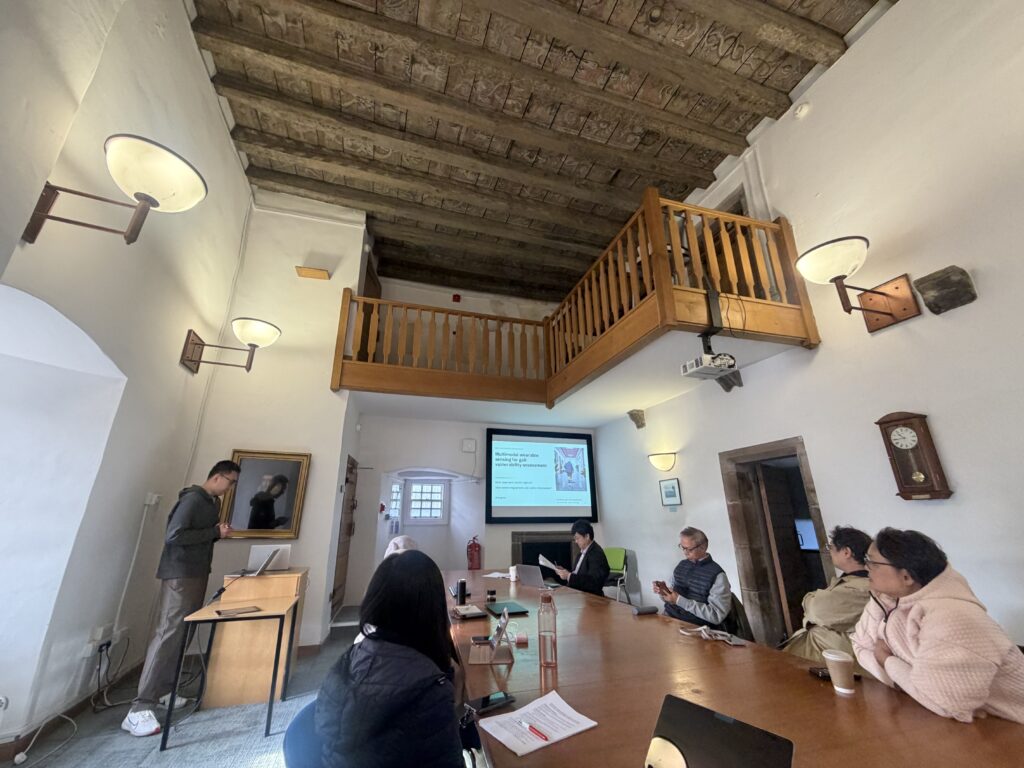
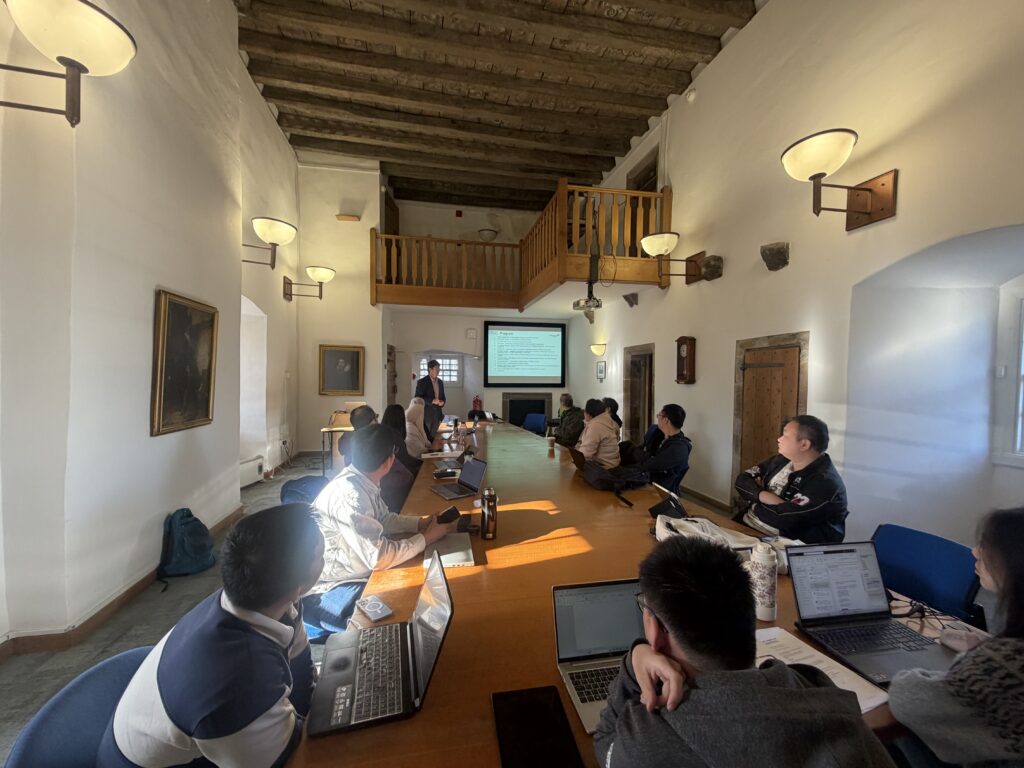
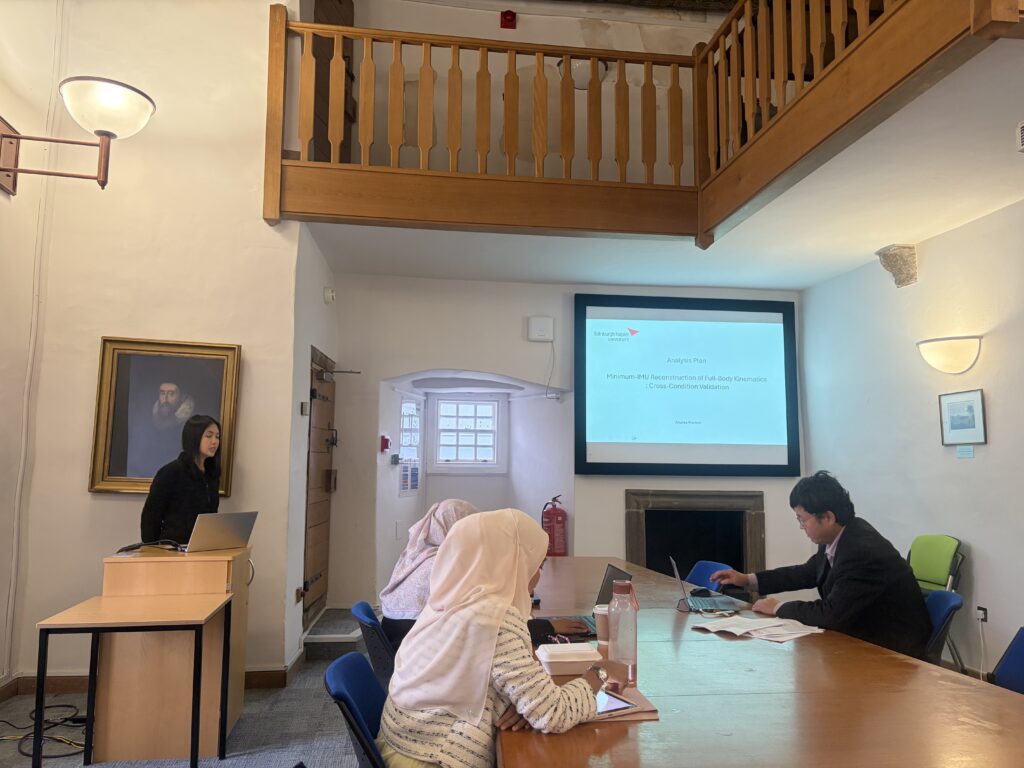
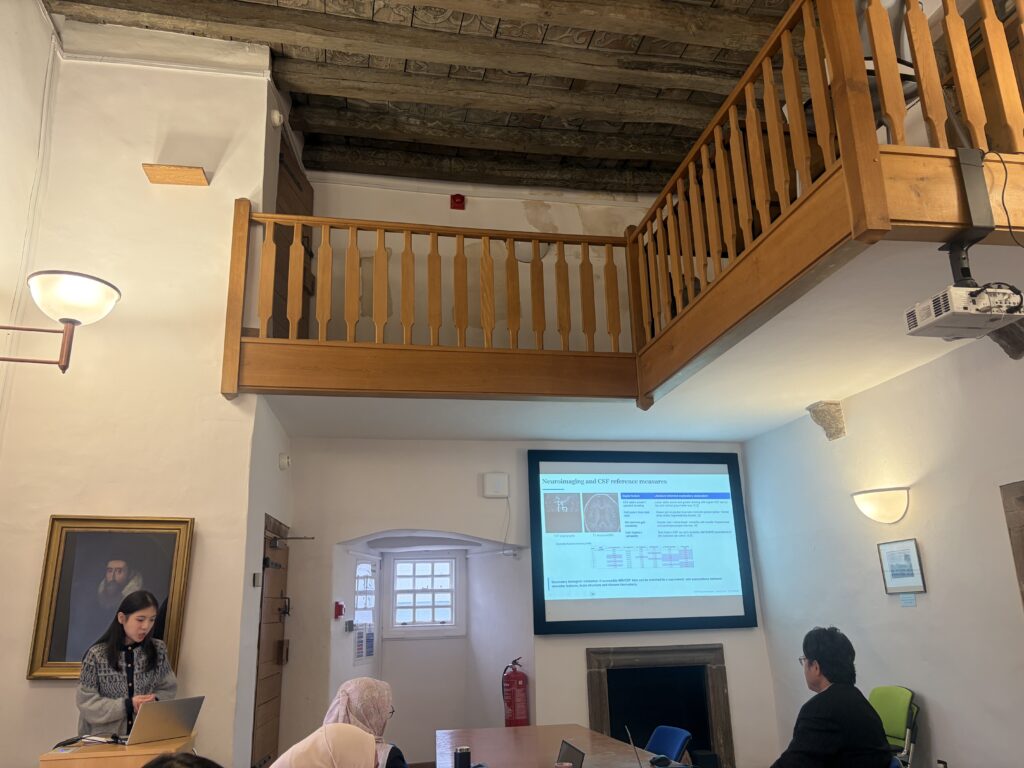
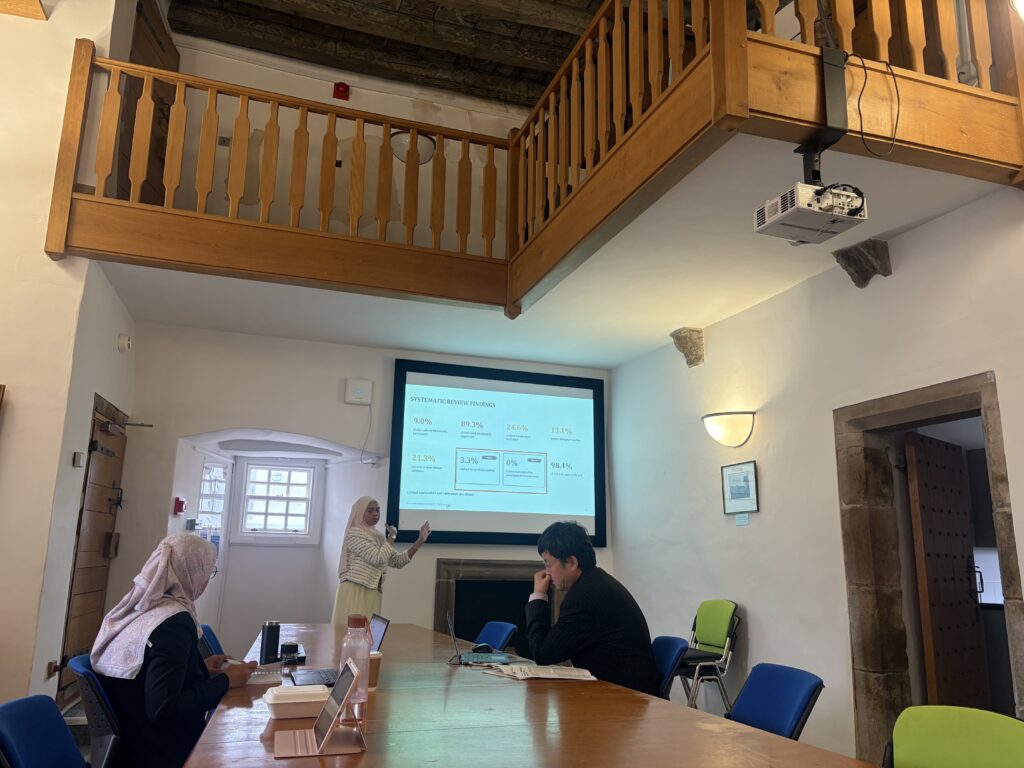
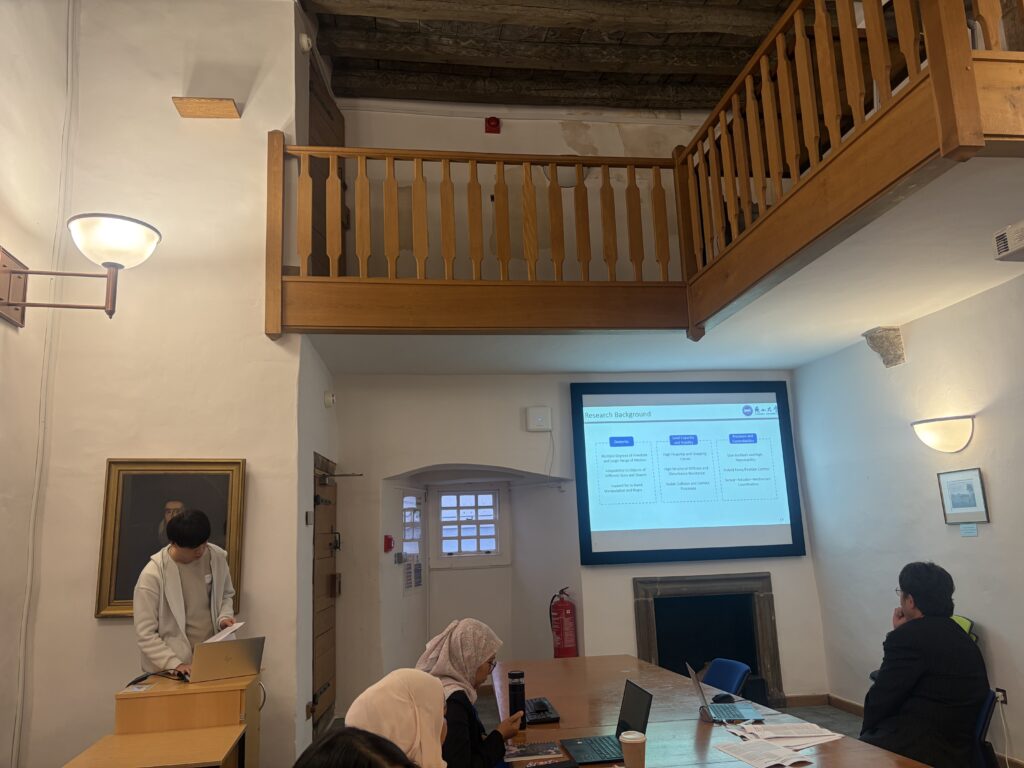
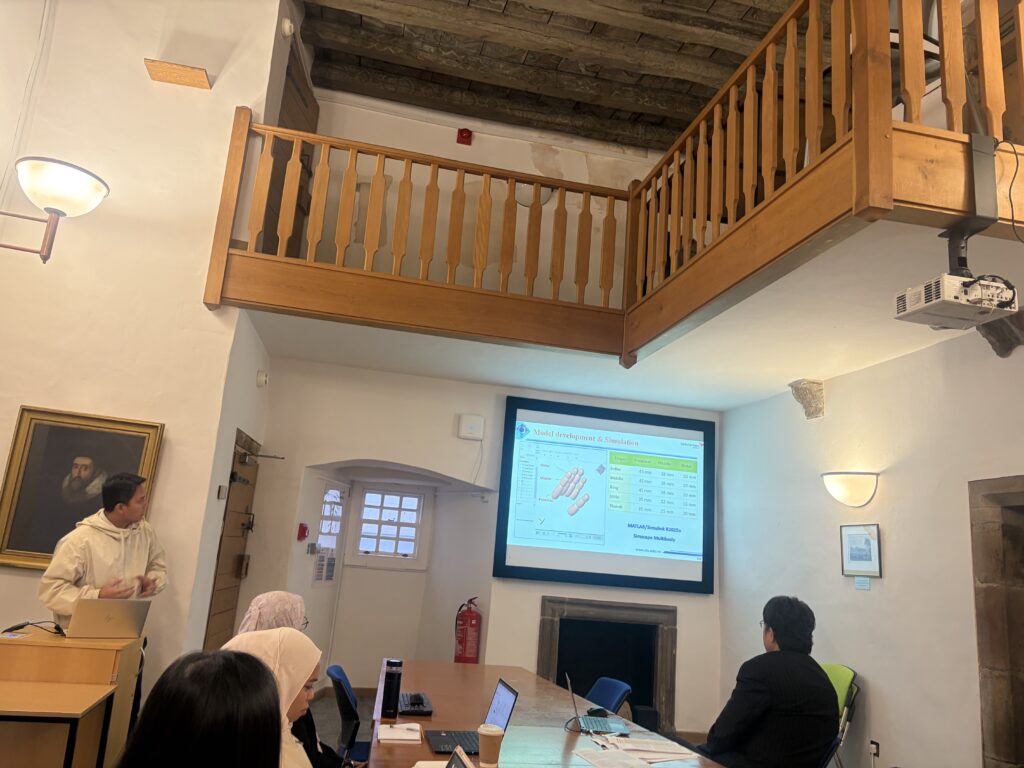
The AI & Robotics for Healthcare Research Group at Edinburgh Napier University held its 8th TTHER Mini-Workshop on Thursday, 8 October 2026, bringing together TTHER Research Fellows and research team members to share research progress, exchange knowledge, and explore opportunities for interdisciplinary collaboration.
The mini-workshop featured 13 research presentations covering artificial intelligence, wearable sensing, gait analysis, digital biomarkers, assistive technologies, robotic control, and rehabilitation robotics. The event provided a platform for researchers to present recent developments, discuss research challenges, and identify future research directions.
Research Presentations and Knowledge Exchange
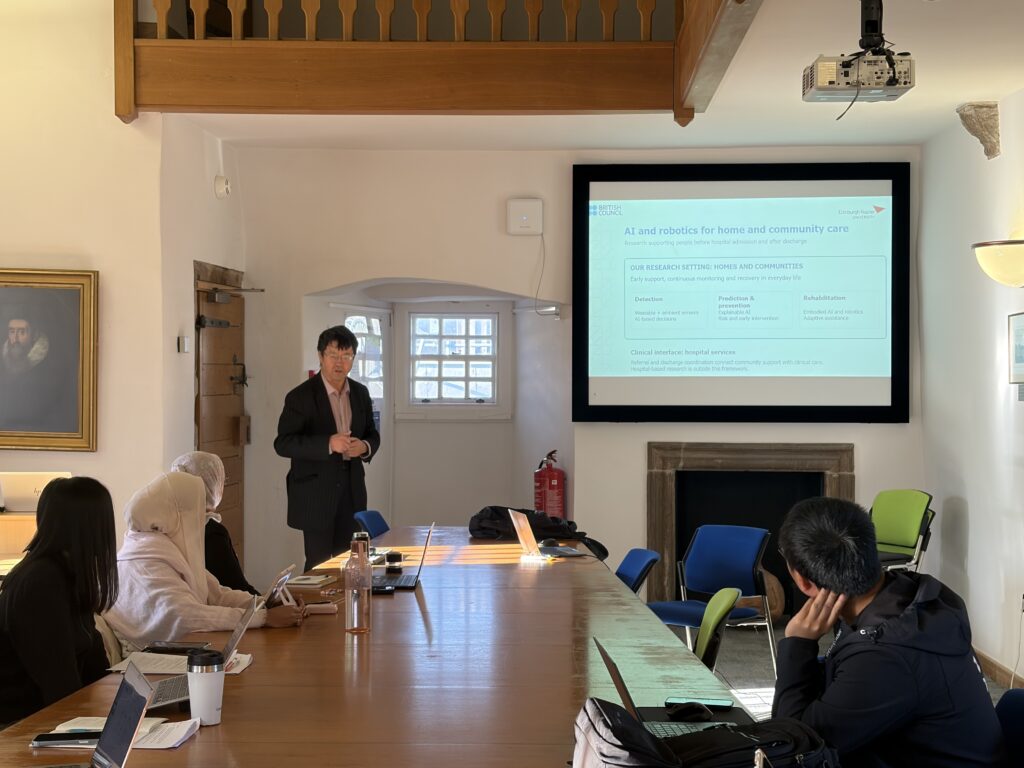
The workshop opened with Professor Hongnian Yu, who presented AI and Robotics for Home and Community Care, introducing research directions in intelligent technologies to support healthcare, independent living, and community-based care.
A series of presentations explored advances in artificial intelligence, wearable sensing, and digital health.
Dr Worawit Tepsan presented Gait Reliability & Data Collection, focusing on the reliability of wearable sensor-derived gait measurements and multimodal data collection. Dr Ahsiah Binti Ismail discussed Trustworthy Explanations for AI, addressing explainability and trust in AI systems.
Zifeng He presented Multimodal Wearable Sensing for Gait Vulnerability Assessment, while Dr Arunee Promsri introduced Minimum-IMU Reconstruction of Full-Body Kinematics: Cross-Condition Validation, exploring movement reconstruction using a reduced number of wearable sensors.
Zitong Cai presented Exploratory Study of Multimodal Digital Biomarkers in MCI and Dementia, highlighting research into digital biomarkers for cognitive health.
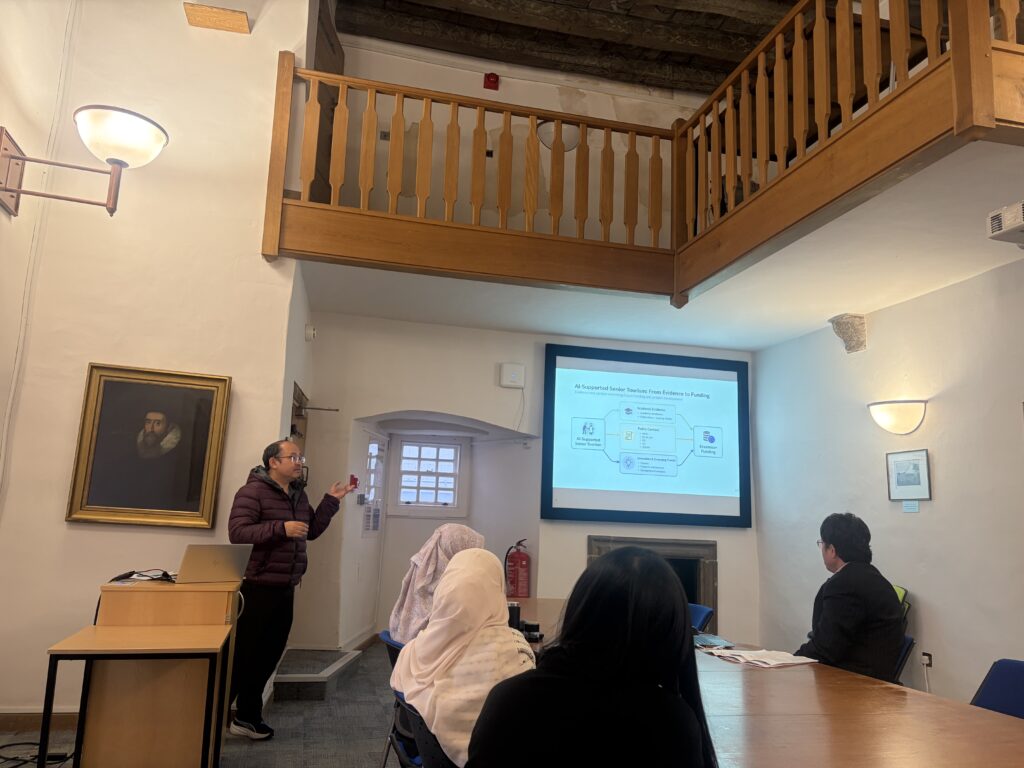
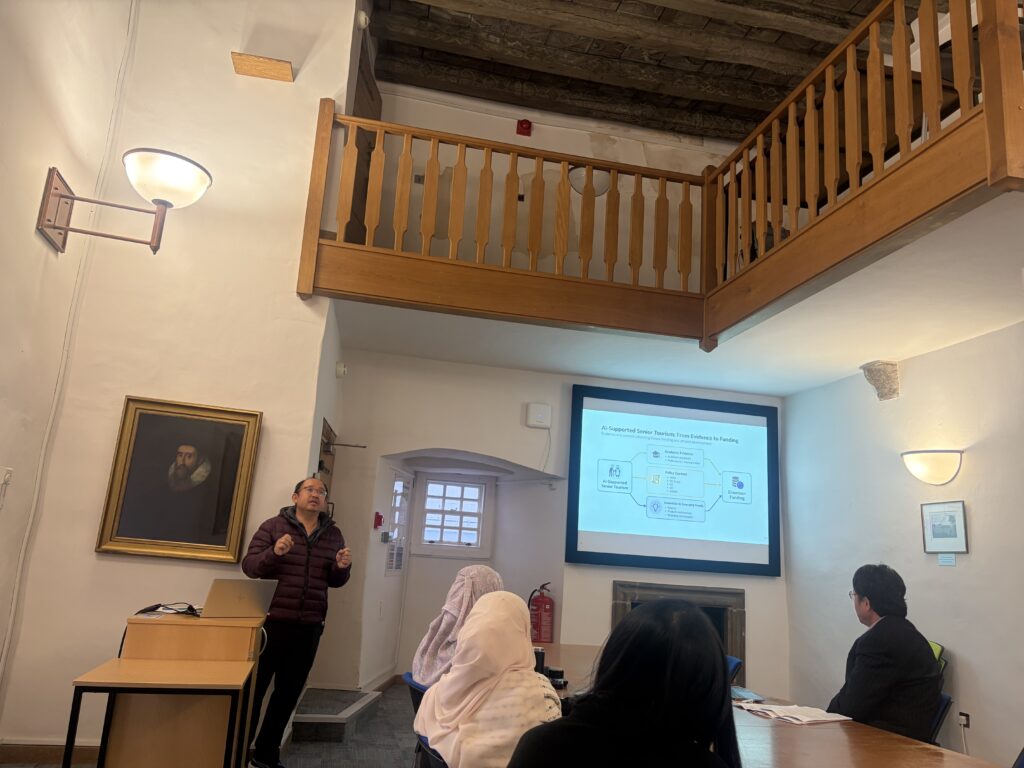
The workshop also included presentations addressing ageing, assistive technologies, and international research collaboration. Dr Muna Azuddin presented Mapping International Collaboration in Assistive Technology Research for Dementia Care: UK–Asia Partnerships (2018–2026), examining research partnerships in dementia care. Dr Naret Suyaroj presented Senior Tourism Scoping Review and Camera-Based Collaborative Movement System, connecting research on ageing, tourism, and movement technologies.
Advances in Robotics and Intelligent Control
Another major focus of the mini-workshop was robotic systems, intelligent control, dexterous manipulation, and rehabilitation technologies.
Dr Lixing Wang presented ESO-Based Control of Nonlinear Underactuated Systems via a Fully Actuated System Approach, introducing research into advanced control strategies for nonlinear systems.
Research on robotic hands was presented by Dr Ahmad Hakimi, who discussed Controllable Underactuation in Robotic Hands, and Dr Rui Cheng, who presented Underactuated Dexterous Hands.
Dr Nhut-Thanh Tran introduced Development of an Underactuated Soft Robotic Glove for Hand Rehabilitation and Activities of Daily Living, focusing on assistive robotic technology for hand movement and rehabilitation.
Jin Lei presented Advantages and Limitations of Serial and Parallel Dexterous Hands, examining different robotic hand architectures and their design considerations.
These presentations highlighted developments in robotic mechanisms, control strategies, and assistive systems, as well as opportunities to connect robotics research with healthcare applications.
Research Discussion and Future Collaboration
The mini-workshop concluded with a group discussion, allowing researchers to exchange feedback, discuss technical challenges, and explore potential connections between ongoing projects.
The discussions highlighted opportunities for interdisciplinary collaboration across AI, digital healthcare, wearable sensing, movement analysis, intelligent robotics, and assistive technologies.
The 8th TTHER Mini-Workshop served as a platform for sharing research progress, strengthening communication among research team members, and identifying future research directions within the AI & Robotics for Healthcare Research Group at Edinburgh Napier University.